
01

Banff in October

Book Banff

Book Banff National Park Adventures and Attractions. Banff National Park's towering peaks and beautiful meadows make it among Canada's most incredible holiday areas. Plan your Canadian Rockies vacation and Book Banff's most popular attractions.

Book Banff National Park Book Banff
Banff National Park Wildlife

02

Banff National Park

Columbia Icefield Tour & Glacier Skywalk

Columbia Icefield Tour including the Glacier Skywalk from Icefield Glacier Discovery Centre. Discover the awe-inspiring mountain scenery and massive glaciers of Alberta's Rocky Mountain region on this Columbia Icefields tour.
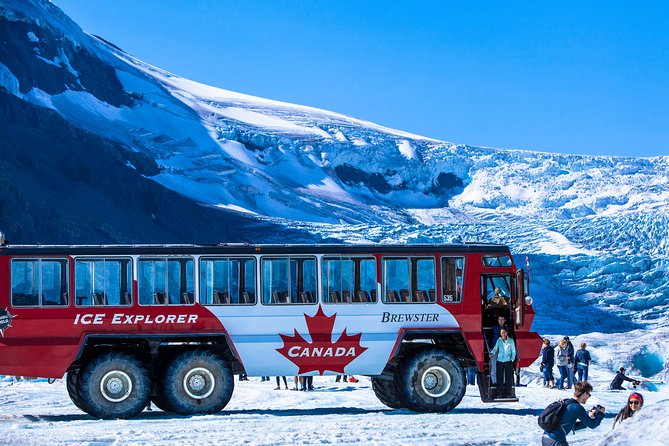
Jasper Columbia Icefield Tour & Glacier Skywalk
Book Glacier Skywalk and Athabasca Glacier Tour Jasper Columbia Icefield Home
Jasper Wildlife Tour Videos

03

Banff in October

Banff Gondola Ride Admission

The Popular Banff Gondola provides visitors with an amazing scenic ride to the summit of Sulphur Mountain, offering panoramic views of the Canadian Rockies and the Bow Valley.
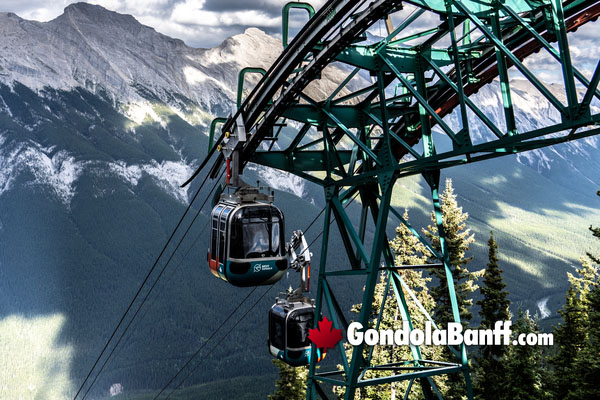
Banff Gondola at Sulphur Mountain
*Purchasing Gondola Tickets in Advance is Recommended. Book the Banff Gondola Banff Gondola Home
Banff National Park Wildlife

October in Banff National Park

October in Banff is a transitional late-fall month. Autumn colors linger early on, particularly golden larches at elevation, while winter conditions begin to reappear in the alpine.


Things to Do in Banff in October

October in Banff is a transitional late-fall month. Autumn colors linger early on, particularly golden larches at elevation, while winter conditions begin to reappear in the alpine. Visitor numbers decline significantly compared to summer, creating a quieter, more contemplative atmosphere. Temperatures are cool, mornings are often below freezing, and snow becomes increasingly likely at higher elevations as the month progresses.

Banff Fall Hiking & Late-Season October Trails

Early October can still provide strong hiking conditions at lower elevations. Valley trails such as Tunnel Mountain, Fenland Trail, and Bow Falls remain accessible, though frost and occasional icy sections are common in shaded areas.
Higher alpine trails may receive early snowfall, making traction devices useful later in the month. Larch viewing often extends into the first week of October depending on weather. Wildlife activity remains present, and elk rut season can continue into early October. Bears are still active before denning, so bear spray remains essential.
By mid-to-late October, hiking becomes more condition-dependent, with snow accumulation possible above treeline.

Scenic Banff Gondola & October Mountain Perspectives

The Banff Gondola operates through much of October (subject to seasonal maintenance windows). A ride up Sulphur Mountain offers striking contrasts-snow-dusted peaks overlooking a quieter Bow Valley below. Crisp autumn air often improves long-range visibility.
Boardwalk conditions may shift from dry pavement to light snow coverage as the month advances. Dressing in insulated layers and wind protection is advisable at summit elevation.

Banff Lakes & Changing Landscapes of October

October dramatically alters the appearance of Banff's lakes.
Lake Louise transitions from vibrant turquoise toward deeper blue tones as glacial sediment flow decreases. Late in the month, shoreline ice may begin forming during cold spells.
Lake Minnewanka becomes quieter, with boating operations typically concluded for the season. The lakeshore drive and walking paths offer peaceful autumn scenery and strong photographic opportunities under low-angle light.

October Scenic Drives & Banff's Early Winter Conditions

Driving the Icefields Parkway in October provides expansive views with lighter traffic. However, winter driving conditions can emerge quickly-snowfall and icy patches are possible, particularly at higher elevations and during early mornings.
Waterfalls diminish compared to peak runoff months, but mountain backdrops with fresh snow can be visually striking.

Banff October Wildlife Viewing

October remains a productive wildlife-viewing month. Elk are visible in valley areas, and deer frequently appear near town. Wildlife movements increase in preparation for winter. Early morning and dusk provide the highest probability of sightings.
Maintaining distance is critical, particularly during rut season when animals may behave unpredictably.

Relaxation & Indoor Banff October Experiences

Cooler temperatures make indoor experiences more appealing. The Banff Upper Hot Springs becomes especially inviting as air temperatures drop. Soaking in the mineral pool with snow-dusted peaks overhead offers a distinctly seasonal atmosphere.
Museums, galleries, and dining establishments operate at a calmer pace compared to summer, allowing for easier reservations and relaxed exploration along Banff Avenue.

Practical Considerations

Expect variable weather, including early winter storms.
Layered clothing, insulated jackets, and waterproof footwear are recommended.
Monitor road conditions closely if driving mountain highways.
Some seasonal tours and attractions may close or reduce hours.

October in Banff delivers a quiet, atmospheric mountain experience - golden remnants of fall giving way to the first signs of winter. It is well suited for visitors seeking space, crisp air, and transitional alpine scenery before full winter arrives.

Banff Gondola During October

October is a wonderful time to experience the Banff Gondola. Stunning autumn scenery, crisp mountain air, snow-capped peaks, peaceful surroundings, panoramic views, comfortable indoor attractions, and excellent photography opportunities combine to create an unforgettable visit high above the Bow Valley.
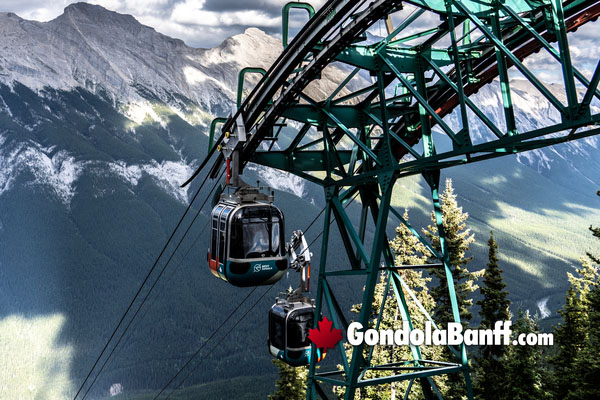
Banff Gondola During October

Banff Gondola During October

October is one of the most scenic and peaceful times to experience the Banff Gondola. As autumn settles into the Canadian Rockies, visitors are treated to crisp mountain air, colourful valley landscapes, and snow beginning to blanket the higher peaks. The summer crowds have largely disappeared, creating a quieter atmosphere that allows visitors to fully enjoy the spectacular scenery from the summit of Sulphur Mountain.

The eight-minute gondola ride climbs high above the Bow Valley, offering ever-changing views of Banff, the Bow River, Cascade Mountain, Mount Rundle, Tunnel Mountain, and the surrounding forests. Throughout October, the valley below often displays a beautiful blend of evergreen forests and golden deciduous trees, while fresh snow on the mountain peaks creates a striking contrast against the autumn landscape.

At the summit, visitors can explore expansive viewing decks that provide breathtaking panoramic views in every direction. October's cool, dry air often delivers outstanding visibility, making it possible to see far across Banff National Park. On clear mornings, the combination of colourful valleys and snow-covered mountains creates some of the finest views of the year.

The scenic boardwalk leading to Sanson's Peak remains one of the highlights of the visit. The elevated pathway follows the mountain ridge to a historic weather station and additional viewpoints overlooking the surrounding mountain ranges. Depending on weather conditions later in the month, sections of the boardwalk may be lightly dusted with snow, adding to the alpine atmosphere while requiring visitors to wear sturdy footwear.

Inside the upper terminal, visitors can warm up while exploring interactive exhibits that share the natural history, wildlife, geology, and cultural stories of the Canadian Rockies. Large viewing windows throughout the building allow guests to continue enjoying the mountain scenery while relaxing indoors.

October is also an excellent time to enjoy a meal or warm drink with spectacular views. Whether stopping for breakfast, lunch, dinner, coffee, or a hot chocolate, dining at the summit becomes especially enjoyable as snow-capped peaks surround the mountain-top facilities and colourful valleys stretch below.

Wildlife remains active throughout October. Elk continue their rut early in the month, while deer, bighorn sheep, mountain goats, and a variety of birds can often be spotted from the gondola or the viewing platforms. Bears become less active as the month progresses, preparing for their winter denning season.

Photographers often consider October one of the most rewarding months to visit the Banff Gondola. Sunrise and late afternoon provide warm, golden light across the mountains, while changing weather can produce dramatic clouds, colourful skies, and occasional low-lying fog in the Bow Valley. Fresh snowfall on the surrounding peaks creates spectacular opportunities for landscape photography.

October weather can change rapidly at higher elevations. Sunny mornings may quickly give way to cold winds, rain, or snow, especially later in the month. Temperatures at the summit are significantly cooler than in the town of Banff, so visitors should dress in layers and bring a warm jacket, gloves, and a hat for added comfort.

October is a wonderful time to experience the Banff Gondola. Stunning autumn scenery, crisp mountain air, snow-capped peaks, peaceful surroundings, panoramic views, comfortable indoor attractions, and excellent photography opportunities combine to create an unforgettable visit high above the Bow Valley. Banff Gondola

Jasper Columbia Icefields in October

October is a remarkable time to visit the Columbia Icefield. Towering glaciers, fresh mountain snow, peaceful surroundings, dramatic landscapes, exceptional photography opportunities, and the raw beauty of the Canadian Rockies combine to create an unforgettable high-alpine experience.
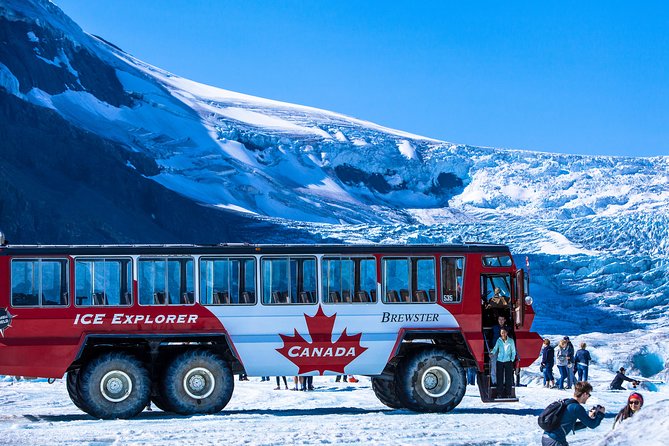
Jasper Columbia Icefields in October

Jasper Columbia Icefields in October

October is one of the most dramatic months to experience the Columbia Icefield. As autumn transitions toward winter, the landscape transforms into a breathtaking combination of glacier-covered mountains, snow-dusted peaks, golden valleys, and crisp alpine air. With fewer visitors than during the summer season, October offers a peaceful and unforgettable way to experience one of the largest accumulations of ice in the Canadian Rockies.

The Athabasca Glacier remains the centrepiece of the Columbia Icefield. Towering walls of ancient ice stretch down from the vast icefield, surrounded by rugged mountain peaks that become increasingly snow-covered throughout the month. The contrast between the brilliant white glacier, dark mountain ridges, and colourful autumn vegetation creates spectacular scenery unlike any other time of year.

October is an excellent time to visit the Columbia Icefield Centre before or after exploring the area. Large panoramic windows provide impressive views of the glacier, while exhibits explain the region's glaciers, geology, climate, wildlife, and the ongoing changes taking place within this remarkable mountain environment. Visitors can comfortably enjoy the scenery indoors while learning about the natural forces that have shaped the Canadian Rockies.

Depending on seasonal operating schedules and weather conditions, some signature attractions and guided glacier experiences may conclude during October. Even without venturing onto the glacier itself, visitors can enjoy exceptional viewpoints, scenic overlooks, interpretive displays, and one of the most spectacular mountain landscapes in North America.

October offers outstanding opportunities for photography. The lower autumn sun casts warm light across the valleys while snow-covered peaks and the glacier reflect brilliant whites and blues. Early morning often brings calm conditions and crystal-clear visibility, while changing clouds and occasional fresh snowfall create dramatic mountain scenes throughout the day.

Wildlife remains active during the early part of October. Elk continue their rut in some areas, while bighorn sheep, mountain goats, deer, ravens, and other alpine wildlife may still be spotted throughout the surrounding valleys. Bears become less active as the month progresses, preparing for winter denning.

The surrounding viewpoints provide incredible panoramas of glaciers, alpine tundra, mountain ridges, and broad valleys stretching in every direction. Fresh snowfall on the highest elevations becomes increasingly common, giving visitors an early taste of winter while lower elevations often retain beautiful autumn colours.

October weather at the Columbia Icefield can change rapidly. Temperatures are considerably colder than in nearby valleys, and snow, ice, wind, or freezing conditions are possible at any time. Visitors should wear warm layered clothing, insulated jackets, gloves, hats, and sturdy footwear suitable for cold mountain conditions.

Driving the Icefields Parkway in October is an unforgettable experience. Snow-capped peaks, colourful forests, turquoise lakes, waterfalls, and wide-open mountain vistas create one of the most scenic autumn drives in the world. Travellers should allow extra time for sightseeing and remain prepared for changing weather and occasional early winter driving conditions.

October is a remarkable time to visit the Columbia Icefield. Towering glaciers, fresh mountain snow, peaceful surroundings, dramatic landscapes, exceptional photography opportunities, and the raw beauty of the Canadian Rockies combine to create an unforgettable high-alpine experience. Jasper Columbia Icefields

Columbia Icefields Glacier Skywalk During October

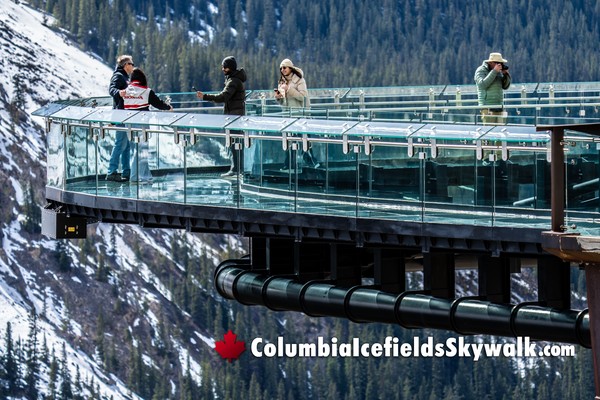
The Columbia Icefield Skywalk in October offers a thrilling combination of dramatic mountain scenery, early winter conditions, fewer visitors, educational interpretation, and unforgettable views from high above the Sunwapta Valley.
Columbia Icefields Glacier Skywalk During October

Columbia Icefields Glacier Skywalk During October

October brings a dramatic early-winter atmosphere to the Columbia Icefield Skywalk. The glass-floored observation platform extends over the Sunwapta Valley, providing sweeping views of snow-dusted mountains, rugged cliffs, waterfalls, glaciers, and the deep valley far below. Crisp air and changing weather make the surrounding landscape feel especially wild and powerful.

The journey typically begins near the Columbia Icefield Centre, with transportation taking visitors to the interpretive walkway and Skywalk area. Along the cliffside path, displays and storytelling introduce the region’s geology, glaciers, wildlife, water systems, and natural history before visitors reach the glass platform.

Standing on the curved glass floor is the highlight of the experience. Visitors can look directly beneath their feet into the valley while mountain peaks rise across the horizon. In October, fresh snow may cover the surrounding ridges and ledges, creating striking contrast with exposed rock, evergreen forests, and the blue-grey waters below.

October offers excellent photography conditions. Low autumn sunlight creates long shadows across the mountains, while changing clouds, drifting mist, and fresh snow can produce dramatic views. Clear days reveal expansive mountain panoramas, while stormier conditions give the Skywalk a rugged and atmospheric character.

Temperatures can be very cold and winds are often stronger on the exposed platform than near the Icefield Centre. Visitors should wear warm layers, an insulated jacket, gloves, a hat, and sturdy footwear. Snow, ice, and freezing conditions are possible, particularly later in the month.

The Skywalk is a seasonal attraction, and its operating period may end during October depending on the annual schedule and weather conditions. Travellers planning an October visit should confirm that the attraction is operating before travelling specifically for the experience.

The drive along the Icefields Parkway adds another memorable element to the visit. Snow-covered mountains, frozen alpine landscapes, waterfalls, forests, and broad valleys make the journey exceptionally scenic. However, early winter storms can bring snow or icy roads, so visitors should be prepared for rapidly changing driving conditions.

The Columbia Icefield Skywalk in October offers a thrilling combination of dramatic mountain scenery, early winter conditions, fewer visitors, educational interpretation, and unforgettable views from high above the Sunwapta Valley. Columbia Icefields Glacier Skywalk

Golden Skybridge in October

The Golden Skybridge in October combines suspension bridge excitement, mountain scenery, autumn colour, family attractions, peaceful forest surroundings, and the possibility of early snow. It is a memorable seasonal experience for visitors looking to enjoy outdoor adventure in a cooler and quieter Canadian Rockies setting.

Golden Skybridge in October

Golden Skybridge in October

October gives the Golden Skybridge a colourful and adventurous autumn atmosphere. Set high above a forested canyon near Golden, British Columbia, the attraction offers sweeping views of the Rocky and Purcell mountains, changing fall foliage, rugged cliffs, and the river far below. Cooler temperatures and lighter crowds can make the experience feel more relaxed than during the busiest summer months.

The two suspension bridges remain the centrepiece of the visit. As guests walk across the canyon, the bridges gently move beneath their feet while expansive mountain scenery opens in every direction. In October, golden leaves, evergreen forests, and occasional fresh snow on the surrounding peaks create a striking seasonal landscape.

The upper bridge provides broad panoramic views across the canyon and distant mountain ranges. The lower bridge offers a different perspective, placing visitors closer to the forest canopy and canyon walls. Together, the bridges create a complete circuit that allows guests to experience the landscape from several elevations and viewing angles.

October is also a rewarding month for photography. Softer autumn light highlights the texture of the forest, while changing clouds and early snow create dramatic backgrounds behind the bridges. Morning conditions can feel crisp and peaceful, while afternoon light often brings warmer colour to the surrounding mountains.

Depending on the operating calendar and weather, additional attractions may still be available during part of October. These can include the Railrider Mountain Coaster, zipline, Canyon Edge Challenge Course, giant canyon swing, axe throwing, climbing wall, children’s play areas, and forest pathways. Availability may become more limited later in the season.

The Treetop Village adds a family-friendly element to the experience. Children can explore elevated play structures, wooden huts, climbing features, and forest-themed spaces while adults enjoy nearby seating and mountain views. The cooler October weather can make active outdoor play especially comfortable.

Visitors can also explore canyon trails, interpretive areas, Indigenous storytelling displays, scenic viewpoints, and areas overlooking the waterfall and zipline. The quieter seasonal atmosphere provides more time to appreciate the natural setting rather than moving quickly between attractions.

Weather in October can vary considerably. Sunny afternoons may be mild, while mornings can be cold and frost is possible. Rain, wind, and early snowfall may also occur, especially later in the month. Warm layers, a weather-resistant jacket, and sturdy footwear are recommended.

Operating hours and attraction availability may change throughout October as the main summer season comes to an end. Guests should confirm the opening schedule before travelling, particularly when visiting later in the month or when planning to experience specific adventure activities.

The Golden Skybridge in October combines suspension bridge excitement, mountain scenery, autumn colour, family attractions, peaceful forest surroundings, and the possibility of early snow. It is a memorable seasonal experience for visitors looking to enjoy outdoor adventure in a cooler and quieter Canadian Rockies setting. Golden Skybridge

Banff Lake Minnewanka Boat Cruise in October

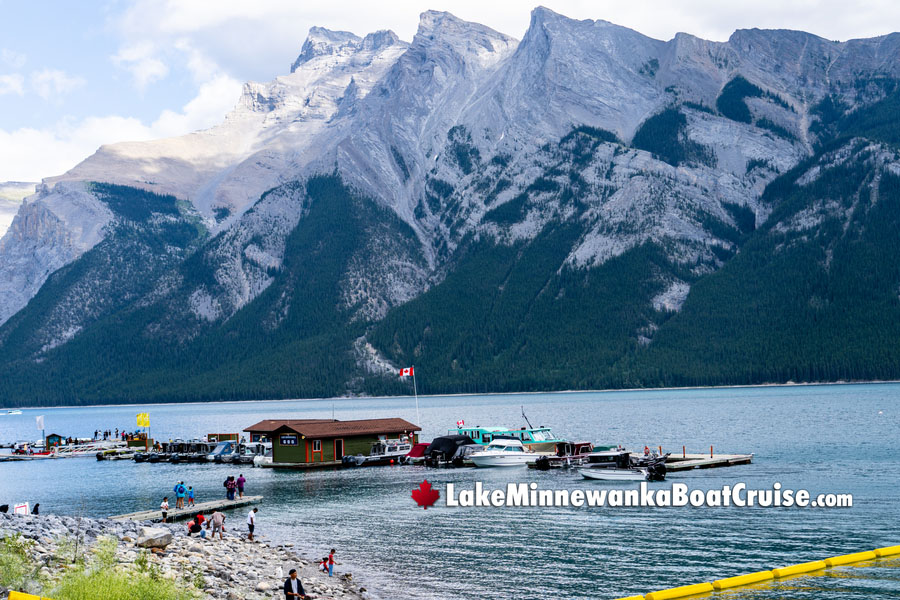
The Lake Minnewanka Boat Cruise in October offers a peaceful and memorable way to experience Banff National Park. Snow-capped mountains, crystal-clear autumn air, colourful seasonal landscapes, fascinating storytelling, outstanding photography opportunities, and the quiet beauty of the lake combine to create a truly unforgettable end-of-season adventure.
Lake Minnewanka Boat Cruise in October

Banff Lake Minnewanka Boat Cruise in October

October marks the final stretch of the Lake Minnewanka Boat Cruise season, making it a wonderful time to experience one of Banff National Park's most scenic lakes before winter arrives. Crisp mountain air, colourful autumn landscapes, and lighter visitor numbers create a peaceful atmosphere that is very different from the busy summer months. The surrounding mountain peaks often receive their first significant snowfall, adding spectacular contrast to the deep blue waters of the lake.

The cruise offers a relaxing journey across the largest lake in Banff National Park, surrounded by towering mountains, rocky shorelines, and dense evergreen forests. Throughout October, the scenery takes on a distinctly autumn character as golden grasses and colourful shrubs line parts of the shoreline while snow gradually settles across the higher elevations.

As the boat travels farther from the marina, visitors enjoy impressive views of rugged cliffs, secluded bays, and distant mountain ranges that are inaccessible by road. The cooler temperatures often create exceptionally clear air, allowing for excellent visibility across the lake and making the surrounding landscape appear even more dramatic.

October is an excellent month for photography. The lower angle of the sun produces warm, golden light that beautifully illuminates the mountains and shoreline. Calm water can create stunning reflections of snow-covered peaks, while changing clouds and occasional morning mist add atmosphere to every photograph.

Wildlife remains active throughout October as animals prepare for winter. Elk, deer, bighorn sheep, and a variety of birds are frequently seen around the Lake Minnewanka area, while bears become less active later in the month as they prepare for hibernation. Visitors travelling to and from the lake should always watch for wildlife along the roads and trails.

The knowledgeable onboard guides continue to share fascinating stories about the lake's history, geology, Indigenous heritage, wildlife, and the communities that once existed beneath the water before the lake was expanded by the dam. These stories add depth and perspective to the spectacular scenery surrounding the cruise.

October weather can change quickly on the lake. While sunny afternoons may be comfortable, mornings and evenings are often cold, and winds can make temperatures feel much cooler out on the open water. Warm layered clothing, a windproof jacket, gloves, and a hat help ensure a comfortable experience throughout the cruise.

Because October is the end of the operating season, departures may be more limited than during the summer months, and cruises may conclude for the season later in the month depending on weather conditions. Visitors planning an October trip should check the operating schedule in advance to avoid disappointment.

The Lake Minnewanka Boat Cruise in October offers a peaceful and memorable way to experience Banff National Park. Snow-capped mountains, crystal-clear autumn air, colourful seasonal landscapes, fascinating storytelling, outstanding photography opportunities, and the quiet beauty of the lake combine to create a truly unforgettable end-of-season adventure. Banff Lake Minnewanka Boat Cruise

Jasper SkyTram in October

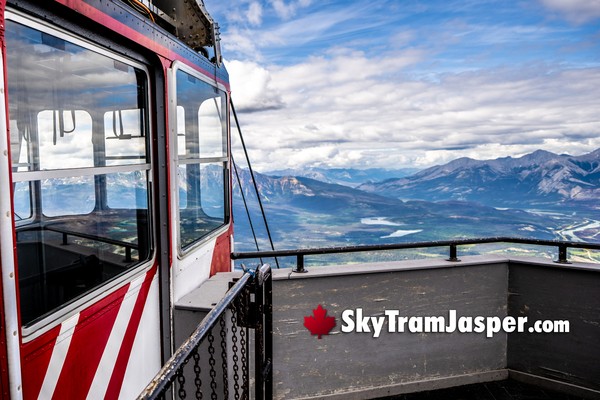
The Jasper SkyTram in October offers a spectacular blend of autumn and early winter. Snow-covered mountain peaks, crystal-clear alpine views, peaceful surroundings, incredible photography opportunities, and the dramatic beauty of Whistlers Mountain combine to create one of the most memorable mountain experiences in the Canadian Rockies.
Jasper SkyTram Opens in October

Jasper SkyTram in October

October transforms the Jasper SkyTram into an early winter alpine adventure. As the seasons change, Whistlers Mountain begins to take on its winter appearance with fresh snow often covering the upper slopes while colourful autumn forests remain visible in the valleys below. The combination of crisp mountain air, spectacular scenery, and smaller crowds makes October one of the most peaceful times to experience Jasper from above.

The seven-minute tram ride climbs high above Jasper, providing continuously changing views of the Athabasca Valley, Jasper townsite, surrounding lakes, and numerous mountain ranges. As the tram rises above the tree line, visitors are treated to breathtaking panoramas of snow-dusted peaks, alpine tundra, and expansive wilderness stretching in every direction.

Upon arriving at the upper terminal, guests can step onto viewing platforms that offer some of the finest vistas in Jasper National Park. October's cool, dry air often creates exceptional visibility, allowing visitors to see mountain ranges extending far into the distance. Fresh snow on the surrounding peaks creates a striking contrast with the remaining autumn colours in the lower elevations.

The alpine trails around the upper station offer an unforgettable mountain experience. Depending on weather conditions, sections of the paths may be covered with snow or ice later in the month, creating a true high-alpine environment. Visitors who choose to hike toward the summit should wear appropriate footwear and be prepared for rapidly changing mountain weather.

Inside the upper terminal, visitors can warm up while enjoying panoramic views through large windows. Whether relaxing with a warm beverage or simply taking in the scenery, the mountain-top facilities provide a comfortable place to appreciate the spectacular surroundings even if outdoor conditions become cooler.

October is one of the best months for photography. Clear skies, dramatic clouds, fresh snowfall, and warm autumn light combine to create stunning landscapes throughout the day. Early morning often provides crisp visibility, while late afternoon bathes the surrounding mountains in rich golden light.

Wildlife remains active throughout October. Elk, deer, mountain goats, bighorn sheep, ravens, and other alpine species may still be seen in the surrounding valleys and mountain slopes. As winter approaches, many animals become increasingly active while preparing for the colder months ahead.

Weather can change quickly at the summit. Temperatures are considerably colder than in Jasper, and visitors should expect cold winds, freezing temperatures, and the possibility of snow at any time during October. Dressing in warm layers, including an insulated jacket, gloves, and a hat, will help ensure a comfortable visit.

Because October marks the end of the main operating season, the Jasper SkyTram typically concludes its annual operations during the month before closing for winter maintenance. Visitors planning an October trip should confirm operating dates and schedules in advance, particularly later in the month.

The Jasper SkyTram in October offers a spectacular blend of autumn and early winter. Snow-covered mountain peaks, crystal-clear alpine views, peaceful surroundings, incredible photography opportunities, and the dramatic beauty of Whistlers Mountain combine to create one of the most memorable mountain experiences in the Canadian Rockies. Jasper SkyTram

Maligne Lake Boat Cruise During October

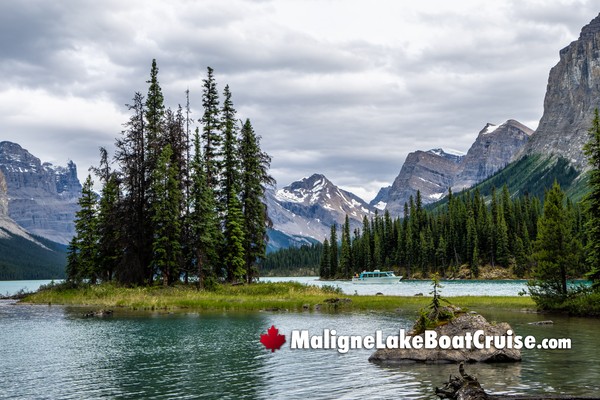
The Maligne Lake Boat Cruise in October offers an unforgettable blend of autumn beauty and early winter scenery. Peaceful waters, snow-covered mountain peaks, the timeless beauty of Spirit Island, outstanding photography opportunities, and a quieter visitor experience combine to create one of the most memorable boat cruises in the Canadian Rockies.
Maligne Lake Boat Cruise During October

Maligne Lake Boat Cruise During October

October is one of the most peaceful and picturesque times to experience the Maligne Lake Boat Cruise. As autumn gives way to early winter, the lake becomes quieter, the surrounding mountains begin to wear fresh snow, and the crisp mountain air creates remarkable clarity across the water. With fewer visitors than during the peak summer months, October offers a more tranquil journey through one of Jasper National Park's most iconic landscapes.

The cruise travels across the crystal-clear waters of Maligne Lake, surrounded by towering mountain peaks, dense evergreen forests, rocky shorelines, and secluded islands. During October, the scenery becomes especially dramatic as snow settles across the higher elevations while the lower valleys retain the rich colours of late autumn. The combination of deep blue water, white mountain peaks, and colourful forests creates unforgettable scenery.

As the boat glides across the lake, passengers enjoy spectacular views of the surrounding mountain ranges, including the famous Hall of the Gods. The calm conditions often experienced in October can produce beautiful reflections of the mountains on the lake's surface, creating exceptional opportunities for photography throughout the journey.

The highlight of the cruise remains the stop at Spirit Island, one of the most photographed locations in the Canadian Rockies. October provides a quieter experience at this famous destination, allowing visitors more space and time to appreciate the remarkable setting. Snow-dusted mountains, crystal-clear water, and peaceful surroundings give Spirit Island an entirely different character than during the busy summer season.

Knowledgeable guides continue to share fascinating stories about Maligne Lake's history, geology, wildlife, Indigenous connections, and the explorers who helped introduce this remarkable landscape to visitors from around the world. Their commentary adds depth to the already spectacular scenery.

October offers outstanding photographic conditions. The lower autumn sun creates warm light across the mountains, while fresh snow, changing clouds, and occasional morning mist add drama to every view. Early mornings often provide calm water and excellent visibility, making this one of the finest times of year for landscape photography.

Wildlife remains active throughout October as animals prepare for winter. Elk, deer, mountain goats, bighorn sheep, and a variety of birds may still be seen throughout the Maligne Valley. Bears become less active later in the month as they prepare for hibernation, but visitors should always remain alert for wildlife while travelling through the area.

Weather on Maligne Lake can change quickly during October. Temperatures are much cooler than in summer, and cold winds are common on the open water. Warm layered clothing, a windproof jacket, gloves, and a hat are recommended to remain comfortable throughout the cruise. Snowfall is also possible, particularly later in the month.

October marks the end of the main operating season for the Maligne Lake Boat Cruise, and departures may become more limited before the attraction closes for winter. Visitors planning an October experience should confirm operating schedules ahead of time, especially during the latter part of the month.

The Maligne Lake Boat Cruise in October offers an unforgettable blend of autumn beauty and early winter scenery. Peaceful waters, snow-covered mountain peaks, the timeless beauty of Spirit Island, outstanding photography opportunities, and a quieter visitor experience combine to create one of the most memorable boat cruises in the Canadian Rockies. Maligne Lake Boat Cruise

October at Abraham Lake

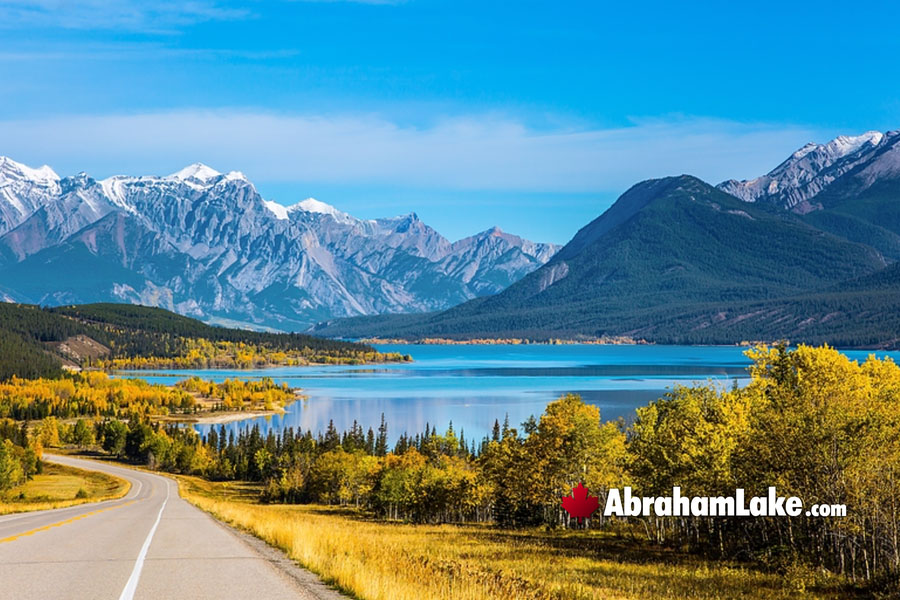
Abraham Lake in October offers an unforgettable combination of turquoise water, snow-capped peaks, peaceful landscapes, abundant wildlife, exceptional photography, and the quiet beauty of the Canadian Rockies before winter fully arrives. It is an ideal destination for travellers seeking spectacular scenery and a more tranquil mountain experience.
October at Abraham Lake

October at Abraham Lake

October is a beautiful and often overlooked time to visit Abraham Lake. Located along the David Thompson Highway, the lake begins its transition from autumn to winter as snow gradually covers the surrounding mountain peaks while the shoreline remains open and accessible. The combination of turquoise water, crisp mountain air, colourful foothills, and dramatic landscapes makes October one of the most scenic months to explore the area.

The lake is famous for its brilliant blue colour, which remains striking throughout October. Glacial silt carried into the reservoir continues to give the water its vivid turquoise appearance, creating an incredible contrast against snow-covered mountains, evergreen forests, and golden grasses. As the season progresses, the surrounding landscape takes on a peaceful and rugged beauty.

October offers outstanding opportunities for sightseeing and photography. The lower angle of the sun produces warm light that highlights the surrounding peaks, rocky shorelines, and rolling foothills. Fresh snow on Mount Michener and the surrounding ranges often creates spectacular reflections on calm mornings, while changing clouds add depth and drama to the landscape.

One of the greatest advantages of visiting Abraham Lake in October is the peaceful atmosphere. Summer crowds have largely disappeared, allowing visitors to enjoy quiet viewpoints, scenic pullouts, and lakeshore walks at a relaxed pace. The wide-open landscape feels even more expansive during this quieter season.

Although the famous frozen methane bubbles have not yet formed, October marks the beginning of the transition toward winter. Cooler temperatures gradually lower the water temperature, and visitors can witness the changing conditions that eventually lead to the lake freezing later in the season. It is an excellent time to experience Abraham Lake before it becomes a winter destination.

The surrounding area offers numerous opportunities for exploration. Scenic viewpoints along the David Thompson Highway provide constantly changing perspectives of the lake, while nearby trails and natural areas showcase mountain valleys, rivers, forests, and waterfalls. Every turn along the highway reveals another impressive view of the surrounding wilderness.

Wildlife remains active throughout October. Bighorn sheep, elk, deer, moose, and a variety of birds are commonly seen throughout the region as they prepare for winter. Visitors should remain alert while driving, particularly during the early morning and evening when wildlife is often most active near the roadside.

Weather conditions can vary considerably during October. Sunny afternoons may still feel pleasant, but mornings are often cold with frost, and snowfall is possible at any time. Strong winds are common around the lake, making warm layered clothing, a windproof jacket, gloves, and sturdy footwear highly recommended.

October is also an excellent month for stargazing. The cooler, drier air often produces exceptionally clear night skies with very little light pollution. On calm evenings, visitors may enjoy brilliant views of countless stars, and on occasion, the Northern Lights may appear above the surrounding mountain ranges.

Abraham Lake in October offers an unforgettable combination of turquoise water, snow-capped peaks, peaceful landscapes, abundant wildlife, exceptional photography, and the quiet beauty of the Canadian Rockies before winter fully arrives. It is an ideal destination for travellers seeking spectacular scenery and a more tranquil mountain experience. Abraham Lake

Athabasca Falls in October

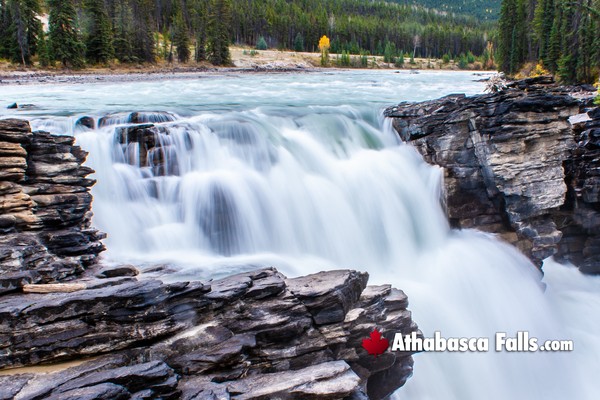
Athabasca Falls in October offers a memorable blend of powerful natural beauty, colourful autumn scenery, fresh mountain air, and the first signs of winter. With fewer crowds, exceptional photography opportunities, and the dramatic force of the Athabasca River, it remains one of the must-see destinations in Jasper National Park during the fall season.
Athabasca Falls During October

Athabasca Falls During October

October is one of the most spectacular times to visit Athabasca Falls. As autumn transitions into early winter, the powerful waterfall is framed by snow-dusted mountain peaks, colourful forests, and crisp mountain air. The cooler temperatures and reduced visitor numbers create a peaceful atmosphere, allowing guests to fully appreciate one of Jasper National Park's most impressive natural attractions.

Although Athabasca Falls is not the tallest waterfall in the Canadian Rockies, it is among the most powerful. The Athabasca River rushes through a narrow limestone gorge before plunging over the falls with tremendous force. Even as water levels gradually decline from their summer peak, the volume and power of the river remain impressive throughout October.

The network of paved pathways and viewing platforms provides visitors with several unique perspectives of the falls. From the main lookout, guests can watch the river thunder into the canyon below, while additional viewpoints reveal swirling pools, deep potholes, narrow rock channels, and the remarkable erosion that thousands of years of flowing water have carved into the canyon walls.

October brings dramatic seasonal scenery to the area. Evergreen forests remain vibrant while deciduous trees display brilliant shades of yellow and gold. Fresh snow often appears on the surrounding mountain peaks, creating a beautiful contrast with the rushing turquoise water and dark canyon walls. Every viewpoint offers a different perspective of the changing landscape.

The lower autumn sun creates ideal conditions for photography. Soft morning and afternoon light enhances the textures of the rock formations and highlights the mist rising from the falls. Calm weather often produces exceptionally clear views of the surrounding mountains, while passing clouds and occasional snowfall add atmosphere to the scene.

The trails and viewpoints remain enjoyable throughout October, although frost, wet leaves, or light snow can make some surfaces slippery, especially during the early morning. Visitors should wear sturdy footwear with good traction and take extra care near railings, stairs, and viewing platforms where moisture may freeze overnight.

Wildlife remains active throughout the month as animals prepare for winter. Elk, deer, bighorn sheep, and a variety of birds are commonly seen in the surrounding forests and river valleys. Visitors should remain alert while travelling along the Icefields Parkway, as wildlife is frequently encountered near the roadway during the autumn season.

October weather in Jasper National Park can change quickly. Bright sunshine may give way to rain, snow, or strong winds within a short period. Dressing in warm layers, including a waterproof outer jacket, gloves, and a hat, helps ensure a comfortable visit regardless of changing conditions.

Athabasca Falls is also an excellent stop on an autumn drive along the Icefields Parkway. Many visitors combine the falls with nearby attractions such as Sunwapta Falls, the Columbia Icefield, and numerous scenic viewpoints, making for a full day of exploring one of Canada's most beautiful mountain highways.

Athabasca Falls in October offers a memorable blend of powerful natural beauty, colourful autumn scenery, fresh mountain air, and the first signs of winter. With fewer crowds, exceptional photography opportunities, and the dramatic force of the Athabasca River, it remains one of the must-see destinations in Jasper National Park during the fall season. Athabasca Falls

Banff Bow Lake in October

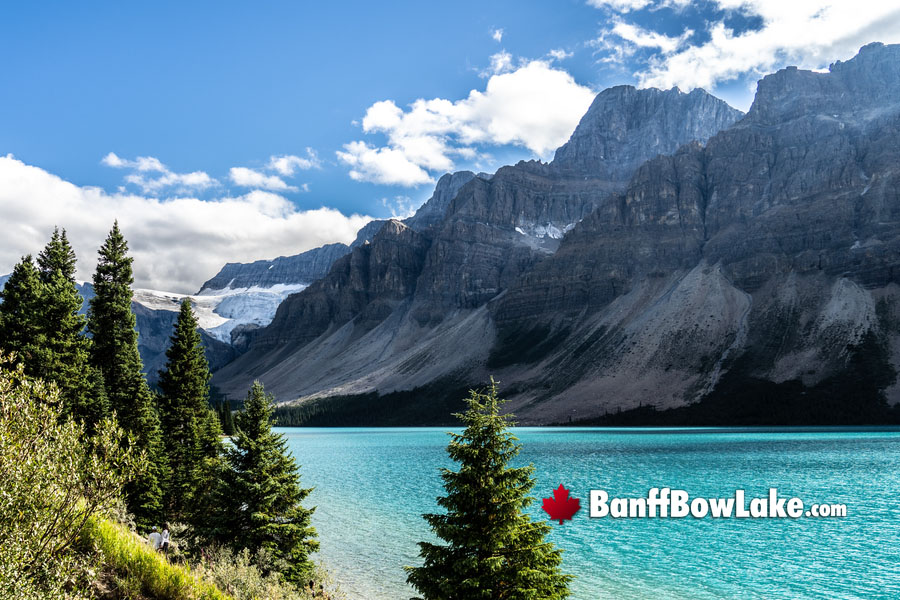
Bow Lake in October offers an unforgettable combination of turquoise water, snow-capped mountains, colourful autumn landscapes, exceptional photography, and tranquil surroundings. It is one of the finest places to experience the changing seasons in Banff National Park before winter fully settles into the Canadian Rockies.
Banff Bow Lake in October

Banff Bow Lake in October

October is a spectacular time to visit Bow Lake, as the landscape begins its transition from autumn to winter. Located along the Icefields Parkway, the lake is surrounded by towering mountain peaks, glaciers, and forests that take on a peaceful beauty during the fall season. Fresh snow often blankets the higher elevations while golden larch trees and colourful alpine vegetation add warmth to the rugged mountain scenery.

The lake's brilliant turquoise colour remains one of its defining features throughout October. Fed by glacial meltwater from Bow Glacier, the lake reflects the surrounding mountains with remarkable clarity on calm days. The combination of crystal-clear water, snow-covered peaks, and crisp blue skies creates some of the most breathtaking scenery in Banff National Park.

October offers a quieter experience compared to the busy summer months. Visitor numbers decrease significantly, allowing guests to enjoy the shoreline, viewpoints, and walking paths at a relaxed pace. The peaceful surroundings make it an ideal destination for those looking to experience the natural beauty of the Canadian Rockies without large crowds.

Photography is exceptional during October. Early morning light often produces mirror-like reflections across the calm water, while the lower autumn sun casts warm golden tones across the mountains and glaciers. Dramatic clouds, fresh snowfall, and changing weather conditions provide endless opportunities for capturing unique mountain landscapes.

A short walk along the lakeshore reveals constantly changing perspectives of Bow Glacier, Crowfoot Mountain, and the surrounding peaks. The shoreline is dotted with smooth stones, driftwood, and quiet coves that invite visitors to slow down and appreciate the peaceful alpine setting. Every viewpoint offers a different angle of the lake and its impressive mountain backdrop.

October weather can vary considerably from day to day. Mild afternoons may quickly give way to freezing temperatures, strong winds, rain, or snow. Visitors should be prepared with warm layers, waterproof outerwear, gloves, and sturdy footwear, as conditions can change rapidly in the mountains.

Wildlife remains active throughout the season. Bighorn sheep, deer, elk, and a variety of birds are often seen along the Icefields Parkway and around the surrounding valleys. Visitors should remain alert while driving, particularly during the early morning and evening when wildlife is most active near the roadside.

Bow Lake is also an excellent stop when exploring the Icefields Parkway in October. Many visitors include it as part of a scenic drive that also features Peyto Lake, Waterfowl Lakes, the Columbia Icefield, and numerous mountain viewpoints. The route offers some of the finest autumn scenery in the Canadian Rockies.

While paddling activities become far less common as temperatures cool, the shoreline remains a wonderful place to relax, enjoy a picnic, or simply take in the breathtaking alpine views. The peaceful atmosphere and crisp mountain air make even a short visit feel memorable.

Bow Lake in October offers an unforgettable combination of turquoise water, snow-capped mountains, colourful autumn landscapes, exceptional photography, and tranquil surroundings. It is one of the finest places to experience the changing seasons in Banff National Park before winter fully settles into the Canadian Rockies. Banff Bow Lake

Banff Wildlife During October

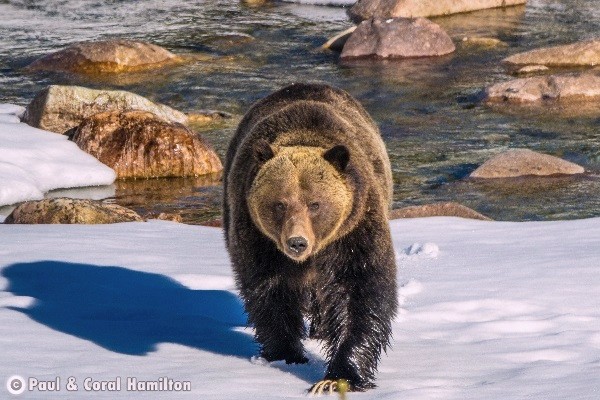
October offers some of the finest wildlife viewing opportunities of the year in the Canadian Rockies. From bugling elk and rutting moose to feeding bears, mountain goats, bighorn sheep, wolves, and countless birds, the season showcases the incredible diversity of mountain wildlife as it prepares for the long Canadian winter.
Banff Wildlife During October

Banff Wildlife During October

October is one of the most exciting months for wildlife viewing in the Canadian Rockies. As autumn gives way to early winter, animals become increasingly active while preparing for the colder months ahead. Cooler temperatures, colourful landscapes, and fewer visitors create excellent opportunities to observe wildlife in their natural habitats throughout Banff, Jasper, Yoho, Kootenay, and the surrounding mountain parks.

Elk are among the most visible animals during October. The annual rut continues into the early part of the month, and mature bulls may still be seen gathering harems of females, bugling, displaying their impressive antlers, and defending their territory. As the month progresses, the rut gradually winds down, and elk begin returning to their normal feeding patterns in valleys and open grasslands.

Bighorn sheep become increasingly active as their breeding season approaches. Rams often gather in larger groups and begin establishing dominance through displays of strength. While the dramatic head-butting battles are more common later in autumn and early winter, visitors frequently observe groups of rams and ewes grazing along roadsides, rocky slopes, and mountain meadows.

Black bears and grizzly bears spend much of October feeding intensively before entering their winter dens. This period of hyperphagia sees bears searching for every available source of food to build the fat reserves needed for hibernation. Although bear activity gradually decreases later in the month, sightings remain possible throughout lower valleys, berry patches, forest edges, and open slopes.

Moose are also active during October as the rut continues in many areas. Bull moose may be seen searching for cows, displaying their large antlers, and moving through wetlands, ponds, willow flats, and river valleys. Their dark coats contrast beautifully with colourful autumn vegetation and the season's first snowfall.

Mountain goats remain high on rocky cliffs and alpine slopes, where their thick white coats become increasingly noticeable against snow-covered mountains. They are well adapted to colder temperatures and are often seen feeding on exposed alpine vegetation before heavier snowfall arrives.

Wolves become more active as cooler weather improves travelling conditions across their territories. Although they remain elusive, packs continue hunting elk, deer, and other prey throughout the valleys and forests. Their increased movement during autumn occasionally results in sightings along quiet roads and remote areas of the parks.

Coyotes, foxes, and other smaller predators are frequently observed during October as they hunt rodents and small mammals preparing for winter. Their thickening winter coats and increased daytime activity make this an excellent season for wildlife photographers.

Birdlife also changes with the season. Many migratory species have departed, while year-round residents such as ravens, gray jays, Clark's nutcrackers, woodpeckers, and golden eagles remain active throughout the mountains. Waterfowl begin moving south as lakes and wetlands gradually cool.

October's shorter days, cooler temperatures, and occasional snowfall create ideal conditions for wildlife photography. Fresh snow highlights animal tracks, colourful forests provide beautiful natural backdrops, and the soft autumn light produces excellent conditions throughout much of the day.

Visitors should always remember that wildlife is completely wild and unpredictable. Maintain a safe distance, remain inside your vehicle when appropriate, never feed animals, and use binoculars or telephoto lenses to observe them safely. Respecting wildlife and giving animals plenty of space helps protect both visitors and the animals themselves.

October offers some of the finest wildlife viewing opportunities of the year in the Canadian Rockies. From bugling elk and rutting moose to feeding bears, mountain goats, bighorn sheep, wolves, and countless birds, the season showcases the incredible diversity of mountain wildlife as it prepares for the long Canadian winter. Canadian Rockies Wildlife Wildlife On Video

Camping in Banff During October

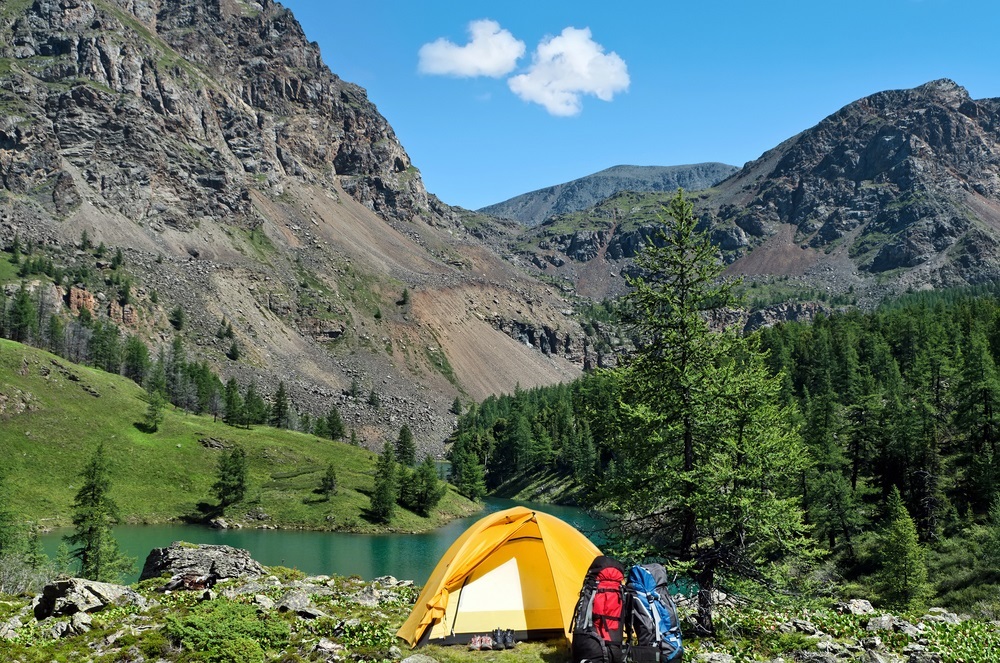
Camping in Banff during October offers a rewarding blend of autumn beauty and the first signs of winter. Snow-capped mountains, colourful forests, peaceful campgrounds, active wildlife, crisp mountain air, and quiet evenings beneath the stars create an unforgettable camping experience for those prepared for the changing season.
Camping in Banff During October

Camping in Banff During October

October camping in Banff offers a peaceful mountain experience unlike any other time of year. As the busy summer season comes to an end, campgrounds become quieter, the forests take on beautiful autumn colours, and snow begins to dust the surrounding peaks. The combination of crisp air, stunning scenery, and fewer visitors makes October an appealing month for campers who enjoy cooler weather and a more relaxed atmosphere.

Temperatures can vary greatly throughout the month. Daytime conditions may still be comfortable for hiking and sightseeing, but overnight temperatures frequently fall below freezing. Frost is common, and snowfall is possible at any time, especially later in October. Campers should be prepared with insulated sleeping bags, warm layered clothing, winter hats, gloves, and sleeping pads designed for cold-weather camping.

Many campgrounds begin closing for the season during October, while others may remain open with reduced services. Some facilities, including potable water, showers, and visitor amenities, may no longer be available. Before arriving, campers should confirm which campgrounds remain open and what services are still operating.

October is an excellent time to enjoy Banff's hiking trails, scenic drives, and viewpoints directly from your campsite. Trails at lower elevations often remain accessible, while higher mountain routes may already have snow and icy conditions. Carrying traction devices and checking trail conditions before heading out is recommended as weather can change quickly.

Wildlife remains very active throughout October. Elk continue the final stages of the rut early in the month, while bears spend much of October feeding before entering their winter dens. Deer, bighorn sheep, foxes, and a variety of birds are commonly seen throughout the park. Campers should always store food properly, keep a clean campsite, and follow all wildlife safety regulations.

Campfires become especially enjoyable during the cool October evenings where permitted. Sitting around a warm fire beneath clear mountain skies is one of the highlights of autumn camping. The cooler air, quiet surroundings, and scent of the forest create a memorable outdoor experience that many visitors consider one of the best times of year to camp.

October also provides outstanding opportunities for photography. Morning frost, colourful forests, snow-covered peaks, mist rising from rivers, and golden autumn sunlight create spectacular scenes throughout Banff National Park. Sunrise often brings calm conditions and beautiful lighting, while sunset paints the surrounding mountains in warm colours.

The quieter season also makes it easier to explore nearby attractions such as Lake Minnewanka, Vermilion Lakes, Bow Falls, Johnston Canyon, and many scenic sections of the Bow Valley. Parking is generally easier to find than during summer, allowing visitors to enjoy the area's most popular destinations with fewer crowds.

Because mountain weather is unpredictable, campers should be prepared for rapidly changing conditions. A sunny afternoon can quickly turn into rain, snow, or strong winds. Packing waterproof outerwear, extra blankets, emergency supplies, and plenty of warm clothing helps ensure a comfortable and safe trip.

Camping in Banff during October offers a rewarding blend of autumn beauty and the first signs of winter. Snow-capped mountains, colourful forests, peaceful campgrounds, active wildlife, crisp mountain air, and quiet evenings beneath the stars create an unforgettable camping experience for those prepared for the changing season. Banff Camping

Hiking in October

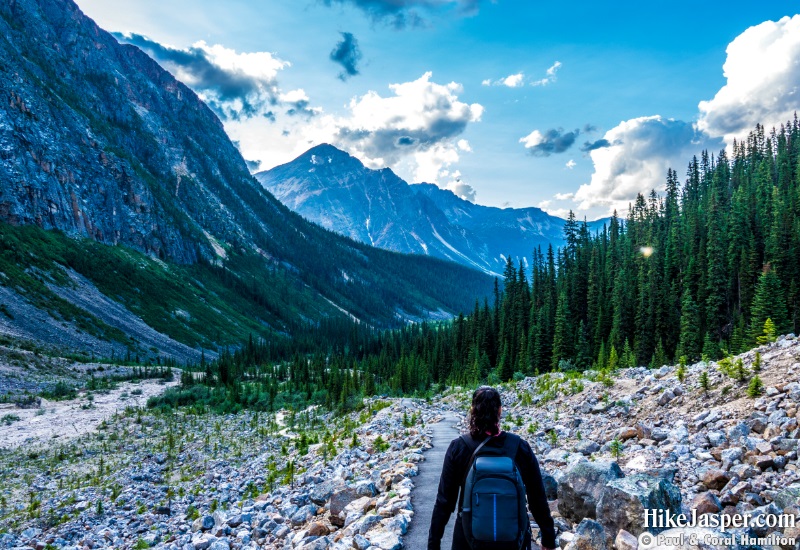
Hiking in Banff during October offers an unforgettable combination of colourful autumn landscapes, snow-covered mountain peaks, peaceful trails, active wildlife, and fresh mountain air. For hikers who come prepared for cooler temperatures and changing weather, it is one of the most beautiful and rewarding times of year to explore the Canadian Rockies.
Hiking in October

Hiking in October

October is one of the most rewarding months for hiking in Banff National Park. The summer crowds have largely disappeared, the mountain landscapes begin their transition into winter, and the crisp autumn air creates excellent visibility. Snow-capped peaks, colourful forests, and peaceful trails combine to create a memorable hiking experience for visitors who are prepared for changing mountain conditions.

Lower elevation trails often remain accessible throughout much of October, making it an ideal time to explore valley routes, forest walks, riverside trails, and scenic viewpoints. Popular hikes such as Tunnel Mountain, Johnston Canyon, Fenland Trail, Sundance Canyon, and the Bow River pathways can offer beautiful autumn scenery with fewer hikers than during the peak summer season.

Higher elevation hikes become much more challenging as October progresses. Trails leading to alpine lakes, mountain passes, ridges, and summits may receive significant snowfall, creating icy, slippery, and potentially hazardous conditions. Even on sunny days, temperatures can remain well below freezing at higher elevations, and winter conditions may arrive with little warning.

October's changing landscape creates outstanding photography opportunities. Golden larch trees, colourful shrubs, frost-covered meadows, and fresh snow on the surrounding mountains produce dramatic scenery throughout the park. Early morning light often creates beautiful reflections on lakes and rivers, while the lower autumn sun adds warmth to mountain landscapes.

Wildlife is particularly active during October. Elk may still be seen during the final stages of the rut early in the month, while bears continue feeding before entering their winter dens. Bighorn sheep, deer, foxes, and a variety of birds are also commonly encountered. Hikers should remain alert, make noise while travelling, carry bear spray, and always give wildlife plenty of space.

Weather can change rapidly at any time of day. A clear morning may quickly become windy, snowy, or rainy by the afternoon. Dressing in layers is essential, with warm insulating clothing, a waterproof outer shell, gloves, and a hat helping hikers remain comfortable as temperatures fluctuate throughout the day.

Trail conditions also become more variable during October. Wet leaves, frost, mud, snow, and ice can make sections of many trails slippery, particularly on bridges, boardwalks, and rocky terrain. Waterproof hiking boots with good traction are highly recommended, and traction devices may be useful on trails that receive early snowfall.

October's shorter daylight hours make planning especially important. Starting hikes earlier in the day provides more time to complete routes before sunset and allows visitors to avoid being caught on mountain trails after dark. Carrying a headlamp, extra clothing, food, water, and basic emergency supplies is recommended even for shorter hikes.

Many visitors combine hiking with scenic drives through the Bow Valley and along the Icefields Parkway. Stops at lakes, waterfalls, viewpoints, and picnic areas complement the hiking experience and showcase the incredible diversity of Banff National Park during the autumn season.

Hiking in Banff during October offers an unforgettable combination of colourful autumn landscapes, snow-covered mountain peaks, peaceful trails, active wildlife, and fresh mountain air. For hikers who come prepared for cooler temperatures and changing weather, it is one of the most beautiful and rewarding times of year to explore the Canadian Rockies. Hiking

Icefields Parkway During October

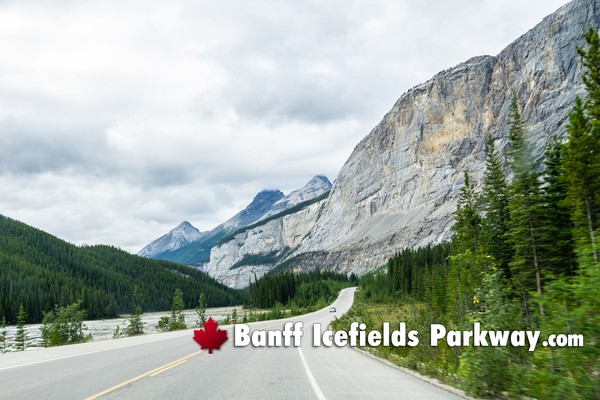
The Icefields Parkway in October offers one of the most breathtaking seasonal drives in the Canadian Rockies. Snow-capped mountains, brilliant autumn colours, powerful waterfalls, ancient glaciers, abundant wildlife, and peaceful scenery combine to create an unforgettable journey through one of Canada's most spectacular landscapes.
Icefields Parkway During October

Icefields Parkway During October

October is one of the most spectacular months to drive the Icefields Parkway. Stretching between Lake Louise and Jasper, this world-famous mountain highway transforms into an incredible blend of autumn colour and early winter scenery. Snow-covered peaks, turquoise lakes, golden forests, glaciers, waterfalls, and quiet viewpoints create an unforgettable journey through the heart of the Canadian Rockies.

As temperatures cool, the landscape changes dramatically throughout the month. Higher elevations often receive their first significant snowfalls while lower valleys continue to display golden aspens, colourful shrubs, and evergreen forests. The contrast between bright autumn colours and fresh white snow creates some of the most beautiful scenery of the entire year.

October offers a quieter experience than the busy summer season. Visitor numbers decline considerably, allowing travellers to stop at viewpoints, lakes, waterfalls, and hiking trails with more space and less congestion. Many of the Parkway's most famous locations feel peaceful, making it easier to enjoy the scenery and take photographs without large crowds.

Photography conditions are exceptional throughout October. The lower angle of the autumn sun produces warm, golden light that highlights glaciers, mountain ridges, and forests. Morning frost, drifting clouds, occasional snowfall, and mirror-like reflections on calm lakes provide endless opportunities for dramatic landscape photography.

Many of the Parkway's iconic attractions remain stunning during October. Bow Lake, Peyto Lake, Waterfowl Lakes, Mistaya Canyon, Saskatchewan River Crossing, the Columbia Icefield, Sunwapta Falls, and Athabasca Falls all showcase the changing season in unique ways. Fresh snow on surrounding mountains enhances nearly every viewpoint along the route.

Wildlife is especially active during October as animals prepare for winter. Elk, deer, bighorn sheep, mountain goats, moose, foxes, and a variety of birds are commonly seen along the highway and in nearby valleys. Bears may still be active, particularly early in the month, as they continue feeding before entering their winter dens. Drivers should remain alert for wildlife crossing the roadway, especially during dawn and dusk.

Weather can change rapidly along the Icefields Parkway. While one section of the highway may be dry and sunny, another may experience snow, fog, or icy conditions. Higher elevations are particularly susceptible to winter weather, and snowfall can occur at any time during October. Travellers should check road conditions before departing and be prepared for changing mountain weather.

Because services become more limited later in the season, it is wise to plan ahead. Some seasonal attractions, restaurants, and visitor services begin closing during October, while fuel stops become increasingly important to plan between. Carrying warm clothing, food, water, and emergency supplies is recommended, especially for longer drives.

October is also an excellent time to enjoy short walks and lower-elevation trails along the Parkway. Many scenic viewpoints remain easily accessible, while higher alpine hikes may require additional caution due to snow and icy trail conditions. Waterproof footwear and warm layers help make outdoor stops more comfortable.

The Icefields Parkway in October offers one of the most breathtaking seasonal drives in the Canadian Rockies. Snow-capped mountains, brilliant autumn colours, powerful waterfalls, ancient glaciers, abundant wildlife, and peaceful scenery combine to create an unforgettable journey through one of Canada's most spectacular landscapes. Banff Icefields Parkway

Johnston Canyon During October

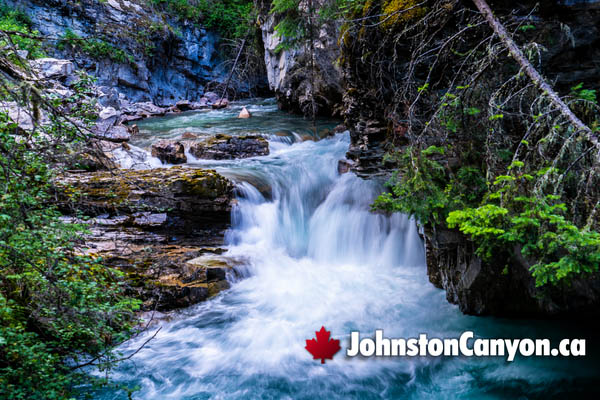
Johnston Canyon during October offers a beautiful combination of colourful autumn scenery, rushing waterfalls, peaceful forest trails, and the first hints of winter. With fewer crowds, exceptional photography opportunities, and comfortable hiking conditions, it is one of the most rewarding times of year to experience this iconic Banff destination.
Johnston Canyon During October

Johnston Canyon During October

October is a wonderful time to visit Johnston Canyon as the landscape transitions from the vibrant colours of autumn to the first signs of winter. Cooler temperatures, crisp mountain air, and fewer visitors create a peaceful atmosphere along one of Banff National Park's most popular walking trails. Snow may begin to dust the surrounding mountains while golden leaves and evergreen forests continue to frame the canyon.

The trail follows Johnston Creek through a spectacular limestone canyon carved over thousands of years by rushing water. Elevated catwalks, sturdy bridges, and scenic pathways allow visitors to safely explore the narrow canyon while enjoying close-up views of waterfalls, deep pools, and smooth rock walls shaped by constant erosion.

The Lower Falls are especially impressive in October. Water continues to surge through the narrow canyon, and the surrounding cliffs often become decorated with frost and patches of early ice later in the month. The small viewing tunnel leading to the falls provides a unique perspective of the powerful water crashing through the canyon.

Continuing to the Upper Falls reveals an even more dramatic section of Johnston Canyon. Multiple viewing platforms overlook the taller waterfall as it plunges into the gorge below. Fresh snow on the surrounding trees and cliffs later in October creates beautiful contrast against the flowing water, offering visitors a glimpse of the canyon's gradual transformation into its famous winter landscape.

October is an excellent month for photography. The colourful forests, crystal-clear creek, moss-covered canyon walls, and occasional snowfall create stunning natural scenes throughout the trail. Morning light often filters through the trees, while cooler temperatures can produce mist and frost that add atmosphere to every viewpoint.

Trail conditions become increasingly variable as the month progresses. Wet leaves, frost, and patches of snow or ice can make sections of the boardwalks, bridges, and paved paths slippery, particularly in shaded areas. Waterproof hiking boots with good traction are highly recommended, and traction devices may become useful later in the month if icy conditions develop.

Wildlife remains active throughout October. Elk, deer, and a variety of birds are commonly seen in the surrounding forest, while bears may still be active during the early part of the month before entering their winter dens. Visitors should stay on designated trails, carry bear spray, and remain aware of their surroundings while hiking.

The cooler temperatures make hiking particularly comfortable, especially for visitors who prefer avoiding the summer heat. Dressing in layers is recommended, as mornings can be cold while afternoons may warm considerably depending on weather conditions. A waterproof jacket, gloves, and a warm hat are useful additions as October weather can change quickly.

Johnston Canyon is also an excellent stop during an autumn drive through Banff National Park. Many visitors combine the hike with nearby attractions such as Castle Junction, Vermilion Lakes, Lake Minnewanka, or a drive along the Bow Valley Parkway, making for a memorable day of exploring the Canadian Rockies.

Johnston Canyon during October offers a beautiful combination of colourful autumn scenery, rushing waterfalls, peaceful forest trails, and the first hints of winter. With fewer crowds, exceptional photography opportunities, and comfortable hiking conditions, it is one of the most rewarding times of year to experience this iconic Banff destination. Johnston Canyon

Lake Louise in October

Lake Louise in October offers an unforgettable combination of turquoise water, snow-capped peaks, colourful autumn scenery, peaceful surroundings, and exceptional photography. It is one of the finest times of year to experience one of Canada's most iconic mountain destinations before winter fully settles across the Canadian Rockies.

Lake Louise in October

Lake Louise in October

October is one of the most beautiful and peaceful times to visit Lake Louise. As autumn gradually gives way to winter, the famous turquoise lake is surrounded by snow-covered mountain peaks, golden larch forests, and crisp alpine air. The busy summer crowds have largely disappeared, allowing visitors to experience the incredible scenery in a quieter and more relaxed setting.

The lake remains the centrepiece of every visit. Its brilliant turquoise water, fed by glacial melt, contrasts beautifully with the rugged mountains that surround it. Early in October, the lake often retains its vivid colour, while later in the month cooler temperatures may bring thin ice along the shoreline as winter begins to take hold.

October offers outstanding opportunities for photography. Calm mornings frequently produce mirror-like reflections of Victoria Glacier and the surrounding peaks, while the lower autumn sun bathes the landscape in warm golden light. Fresh snowfall on the mountains, colourful larch trees, and occasional morning frost create some of the most dramatic scenery of the entire year.

Walking along the lakeshore remains one of the best ways to enjoy Lake Louise during October. The relatively level shoreline trail provides beautiful views from different angles while allowing visitors to appreciate the changing colours, peaceful atmosphere, and impressive mountain backdrop. Benches and viewing areas offer excellent places to pause and take in the scenery.

Many hiking trails remain accessible during the early part of October, although conditions change rapidly as the month progresses. Higher elevation routes such as Lake Agnes, Big Beehive, Little Beehive, Plain of Six Glaciers, and Saddleback may receive snow and ice, making them significantly more challenging. Visitors should always check trail conditions before setting out and be prepared for alpine weather.

Wildlife remains active throughout October. Elk, deer, and a variety of birds are commonly seen around the valley, while bears may still be active during the early part of the month as they continue feeding before entering their winter dens. Visitors should remain alert, carry bear spray when hiking, and give wildlife plenty of space.

Weather at Lake Louise can vary considerably throughout October. Sunny afternoons may be pleasantly cool, while mornings and evenings are often below freezing. Snowfall is common, particularly later in the month, and mountain weather can change quickly. Dressing in warm layers, including a waterproof jacket, gloves, and a hat, helps ensure a comfortable visit.

October is also a wonderful time to explore nearby attractions. A drive along the Icefields Parkway reveals spectacular autumn landscapes, while nearby destinations such as Moraine Lake Road viewpoints, Bow Lake, Peyto Lake, and Johnston Canyon showcase the changing season throughout the Canadian Rockies.

As the month progresses, Lake Louise begins its transformation into a winter destination. Fresh snow gradually covers the surrounding mountains, ice starts forming along the shoreline, and the landscape takes on a peaceful alpine character that signals the arrival of another Rockies winter.

Lake Louise in October offers an unforgettable combination of turquoise water, snow-capped peaks, colourful autumn scenery, peaceful surroundings, and exceptional photography. It is one of the finest times of year to experience one of Canada's most iconic mountain destinations before winter fully settles across the Canadian Rockies. Banff Lake Louise

Moraine Lake in October

Moraine Lake in October represents the beginning of winter in one of Canada's most iconic mountain settings. Although public access is typically very limited after the seasonal road closure, the breathtaking combination of snow-capped peaks, alpine beauty, and peaceful surroundings makes it one of the most memorable landscapes in the Canadian Rockies.
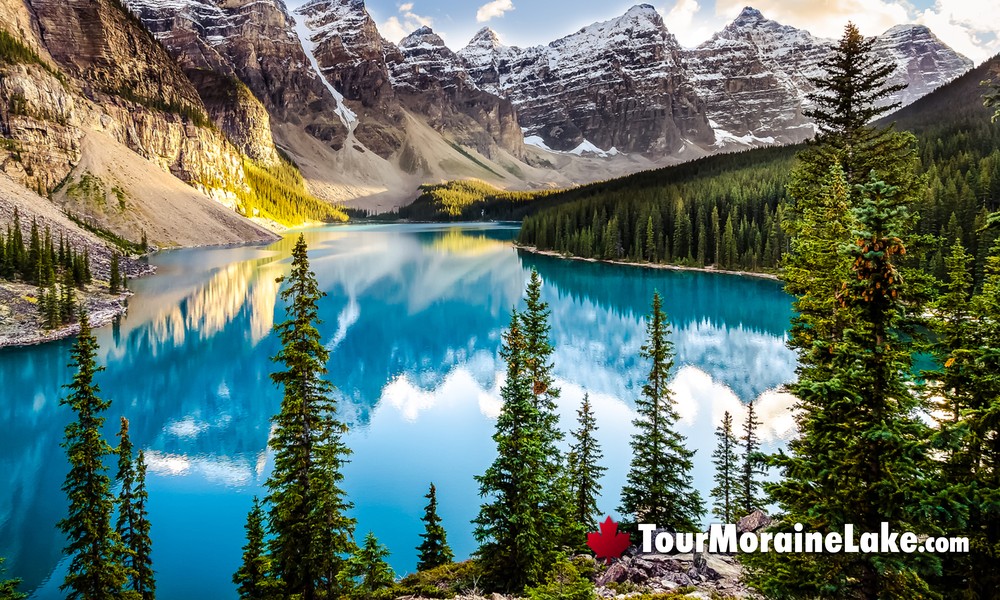
Moraine Lake in October

Moraine Lake in October

October at Moraine Lake is a season of transition, when the Valley of the Ten Peaks begins its transformation into winter. Fresh snow often blankets the surrounding mountains, frosty mornings become common, and the famous turquoise waters gradually give way to colder conditions. The landscape is breathtaking, but October is also a month when visitor access changes significantly.

Unlike the busy summer season, Moraine Lake Road is generally closed to public vehicle traffic by early October to protect wildlife and prepare for winter conditions. Once the seasonal access ends, reaching the lake becomes extremely limited, and visitors should not expect to drive directly to the shoreline. Anyone planning an October visit should carefully check current access arrangements before making travel plans.

When access is available during the very beginning of the month, Moraine Lake offers one of the most peaceful experiences of the year. The summer crowds have largely disappeared, allowing visitors to enjoy the incredible scenery in near silence. Snow-covered peaks reflected in the turquoise lake create an unforgettable mountain landscape that many photographers consider one of the finest in the Canadian Rockies.

The famous Rockpile viewpoint provides spectacular panoramic views overlooking the lake and the Valley of the Ten Peaks. In October, fresh snow, golden alpine vegetation, and crystal-clear mountain air combine to produce exceptional visibility and dramatic photographs. The changing season creates a completely different atmosphere from the vibrant summer months.

The surrounding forests also take on a beautiful autumn appearance. Larch trees display brilliant shades of gold early in the month, while evergreen forests provide rich contrast against snow-covered mountain slopes. As October progresses, snowfall becomes more frequent, gradually transforming the entire valley into a winter landscape.

Wildlife remains active throughout the area during October. Bears continue feeding before entering their winter dens, while elk, deer, and other mountain animals move through the surrounding valleys. Because Moraine Lake lies within important wildlife habitat, seasonal road closures also help reduce disturbances during this critical time of year.

Weather conditions can change rapidly in the Valley of the Ten Peaks. A sunny morning may quickly give way to snow, strong winds, or freezing temperatures. Warm layered clothing, waterproof outerwear, insulated footwear, gloves, and a hat are essential for anyone visiting the area during October.

For visitors hoping to experience the beauty of Moraine Lake after seasonal access has ended, nearby viewpoints throughout the Lake Louise area and the Icefields Parkway continue to offer spectacular autumn scenery. Snow-covered peaks, colourful forests, glaciers, and mountain lakes make the surrounding region just as rewarding to explore during October.

October is also one of the most photogenic months in the Canadian Rockies. Fresh snowfall, dramatic skies, colourful vegetation, and crisp mountain air create stunning conditions throughout the day. Early morning and late afternoon light bring added depth and warmth to the already spectacular landscape.

Moraine Lake in October represents the beginning of winter in one of Canada's most iconic mountain settings. Although public access is typically very limited after the seasonal road closure, the breathtaking combination of snow-capped peaks, alpine beauty, and peaceful surroundings makes it one of the most memorable landscapes in the Canadian Rockies. Moraine Lake

October at Peyto Lake

Peyto Lake in October offers an unforgettable combination of turquoise water, snow-capped mountains, colourful autumn landscapes, crisp mountain air, and exceptional photography opportunities. It is one of the finest places to witness the changing seasons and experience the natural beauty of the Canadian Rockies before winter fully arrives.
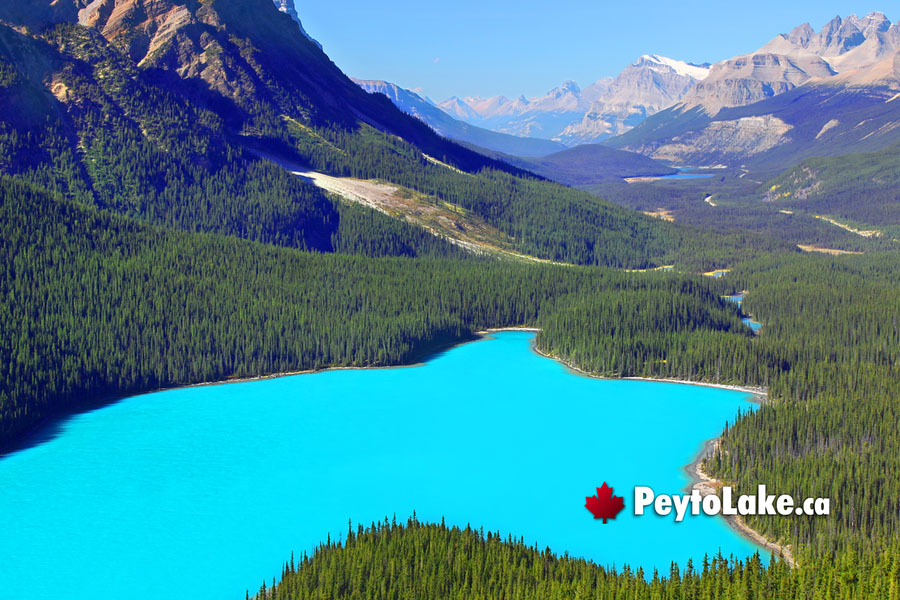
October at Peyto Lake

October at Peyto Lake

October is one of the most spectacular times to visit Peyto Lake. As autumn gives way to winter, the famous wolf-head-shaped lake is surrounded by snow-covered mountain peaks, colourful alpine vegetation, and crisp mountain air. The combination of brilliant turquoise water, fresh snowfall, and quieter viewpoints creates an unforgettable experience along the Icefields Parkway.

The lake's vivid blue colour remains one of its defining features throughout much of October. Fed by glacial meltwater from Peyto Glacier, the lake continues to display its remarkable turquoise hue, although cooler temperatures gradually signal the approach of winter. Snow-covered ridges and evergreen forests provide a stunning contrast against the bright water below.

The main viewpoint offers breathtaking panoramic views overlooking the entire lake and the Mistaya Valley. October's exceptionally clear air often allows visitors to see incredible detail throughout the surrounding mountain ranges. Fresh snow on the peaks enhances the scenery, making the landscape even more dramatic than during the summer months.

Photography is outstanding throughout October. The lower angle of the autumn sun creates warm light across the mountains, while early morning frost, occasional mist, and changing clouds add atmosphere to every scene. Calm conditions often provide remarkable clarity, making it one of the best months for capturing the beauty of Peyto Lake.

The walk from the parking area to the main viewpoint is relatively short and remains accessible during much of October. However, snow and ice may begin to accumulate later in the month, making pathways slippery. Visitors should wear sturdy footwear with good traction and take extra care on boardwalks, stairs, and paved sections of the trail.

Wildlife remains active throughout the surrounding forests and valleys. Elk, deer, bighorn sheep, and a variety of birds are commonly seen along the Icefields Parkway, while bears may still be active early in the month as they prepare for winter. Travellers should remain alert while driving and always observe wildlife from a safe distance.

October weather at Peyto Lake can change quickly. Sunny skies may be replaced by snow, strong winds, or freezing temperatures within a short period, particularly at higher elevations. Dressing in warm layers, including a waterproof jacket, gloves, and a hat, helps visitors remain comfortable throughout their visit.

Peyto Lake is an excellent stop during an October drive along the Icefields Parkway. Many visitors combine it with nearby attractions such as Bow Lake, Waterfowl Lakes, Mistaya Canyon, the Columbia Icefield, Sunwapta Falls, and Athabasca Falls, creating a full day of exploring some of the Canadian Rockies' most spectacular scenery.

The quieter atmosphere is one of October's greatest advantages. With fewer visitors than during the summer months, there is more space to enjoy the viewpoints, appreciate the mountain scenery, and experience the peaceful surroundings without the larger crowds often found during peak season.

Peyto Lake in October offers an unforgettable combination of turquoise water, snow-capped mountains, colourful autumn landscapes, crisp mountain air, and exceptional photography opportunities. It is one of the finest places to witness the changing seasons and experience the natural beauty of the Canadian Rockies before winter fully arrives. Peyto Lake

Spirit Island During October

Spirit Island during October offers a remarkable blend of autumn colour, early winter scenery, tranquil waters, and breathtaking mountain landscapes. For those fortunate enough to visit before the season concludes, it is one of the most memorable and photogenic experiences in the Canadian Rockies.
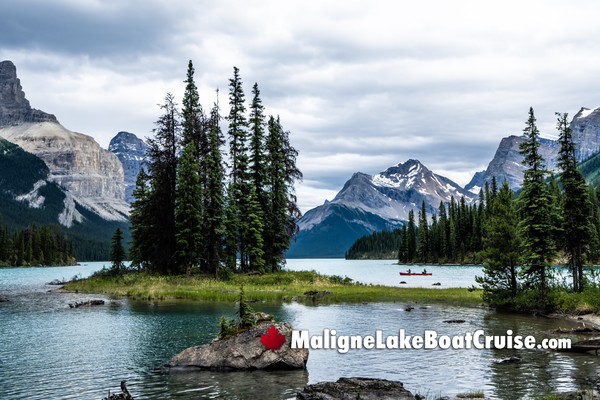
Spirit Island During October

Spirit Island During October

October transforms Spirit Island into one of the most peaceful and dramatic landscapes in the Canadian Rockies. As autumn gives way to early winter, fresh snow often blankets the surrounding mountain peaks while the forests take on rich shades of gold and deep green. The combination of crisp mountain air, calm water, and quiet surroundings creates an unforgettable atmosphere around this world-famous destination.

The iconic island sits at the heart of Maligne Lake, surrounded by towering mountains and the spectacular Hall of the Gods. During October, the scenery becomes even more striking as snow gradually settles across the higher elevations, creating a beautiful contrast against the lake's deep blue waters. On calm days, reflections of the mountains and shoreline create breathtaking photographic opportunities.

Early October may coincide with the final days of the Maligne Lake Boat Cruise season. During this period, visitors can still enjoy the scenic journey across the lake to Spirit Island while experiencing far fewer crowds than during the height of summer. The quieter atmosphere allows for a more relaxed and intimate appreciation of this remarkable location.

The viewing area at Spirit Island offers spectacular panoramic views in every direction. Snow-covered peaks, evergreen forests, rocky shorelines, and crystal-clear water combine to create one of the most recognizable landscapes in Canada. The peaceful setting encourages visitors to slow down and simply take in the natural beauty.

October is widely regarded as an exceptional month for photography. The lower autumn sun casts warm light across the mountains, while fresh snow, colourful vegetation, and occasional morning mist add depth and atmosphere to every image. The changing weather can produce dramatic skies that make each visit unique.

Wildlife remains active throughout the Maligne Valley during October. Elk, deer, mountain goats, bighorn sheep, and a variety of birds may be seen in the surrounding region as they prepare for winter. Bears become less active later in the month as they move toward their winter dens, but visitors should always remain aware of wildlife while travelling through the park.

Weather conditions can change quickly at Maligne Lake. Mornings are often cold, and strong winds across the open water can make temperatures feel significantly cooler. Warm layered clothing, a waterproof jacket, gloves, and a hat are recommended for anyone visiting during October.

As the month progresses, access to Spirit Island becomes increasingly limited. The Maligne Lake Boat Cruise typically concludes its operating season during October, after which Spirit Island is no longer accessible by the regular cruise service until the following year. Visitors planning an October trip should confirm operating dates well in advance.

Even after the cruise season ends, the Maligne Lake area remains one of the most scenic places to experience autumn in Jasper National Park. The shoreline, surrounding mountains, and peaceful atmosphere continue to attract visitors looking to enjoy the beauty of the changing seasons.

Spirit Island during October offers a remarkable blend of autumn colour, early winter scenery, tranquil waters, and breathtaking mountain landscapes. For those fortunate enough to visit before the season concludes, it is one of the most memorable and photogenic experiences in the Canadian Rockies. Spirit Island

Sunwapta Falls in October

Sunwapta Falls in October offers an unforgettable blend of powerful waterfalls, snow-capped mountains, colourful autumn scenery, crisp mountain air, and exceptional photography opportunities. It is one of the finest places to experience the changing seasons and the natural beauty of Jasper National Park before winter fully arrives.
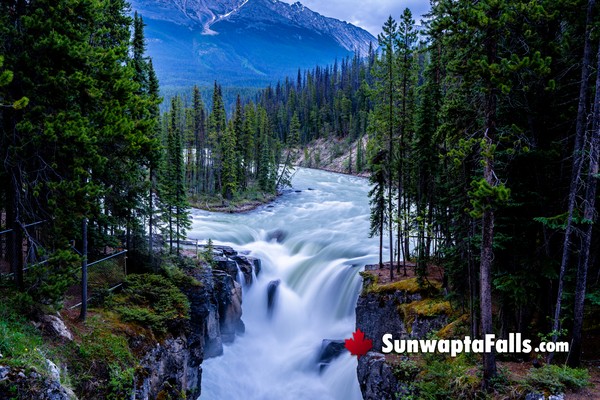
Sunwapta Falls in October

Sunwapta Falls in October

October is one of the most beautiful times to visit Sunwapta Falls. As autumn gradually gives way to winter, the powerful waterfall is surrounded by snow-dusted mountain peaks, evergreen forests, and colourful alpine vegetation. The crisp mountain air, quieter surroundings, and dramatic seasonal scenery make October an excellent time to experience one of Jasper National Park's most impressive waterfalls.

Fed by the Athabasca Glacier, the Sunwapta River continues to surge through the narrow gorge before plunging over the falls with tremendous force. Although water levels are lower than during the peak summer melt, the falls remain powerful and impressive throughout October. The rushing water contrasts beautifully with the rugged canyon walls and the first snow of the season.

The main viewing platform, located beside the famous bridge spanning the canyon, offers spectacular views of the upper falls as they thunder into the gorge below. Fresh snowfall on the surrounding cliffs and forests often enhances the scenery, creating a dramatic mountain landscape that changes from week to week as winter approaches.

Visitors can also follow the short trail toward the lower falls, where the river continues through a series of rapids and smaller cascades. This quieter section provides additional viewpoints of the river and surrounding forest while offering a more peaceful experience away from the main viewing area.

October is an outstanding month for photography. The combination of golden autumn colours, dark canyon walls, white rushing water, and snow-covered mountain peaks creates remarkable natural contrasts. Morning frost, drifting mist, and changing clouds often add extra atmosphere, making every visit unique.

Wildlife remains active throughout the surrounding forests and valleys. Elk, deer, bighorn sheep, foxes, and a variety of birds are commonly seen in the region, while bears may still be active during the early part of the month before entering their winter dens. Visitors should remain alert while driving the Icefields Parkway and always observe wildlife from a safe distance.

Weather conditions become increasingly variable during October. Sunny mornings can quickly change to snowfall, freezing temperatures, rain, or strong winds. Walkways and viewing platforms may become wet, icy, or covered with frost, especially early in the day. Warm layered clothing, waterproof footwear with good traction, gloves, and a hat are recommended for a comfortable visit.

Sunwapta Falls is one of the highlights of an October drive along the Icefields Parkway. Many visitors combine it with nearby attractions such as Athabasca Falls, the Columbia Icefield, Peyto Lake, Bow Lake, and numerous scenic viewpoints, creating a full day of exploring some of the Canadian Rockies' most spectacular landscapes.

The quieter atmosphere is one of October's greatest advantages. With far fewer visitors than during the summer season, guests can spend more time enjoying the viewpoints, listening to the roar of the falls, and appreciating the peaceful beauty of the surrounding wilderness.

Sunwapta Falls in October offers an unforgettable blend of powerful waterfalls, snow-capped mountains, colourful autumn scenery, crisp mountain air, and exceptional photography opportunities. It is one of the finest places to experience the changing seasons and the natural beauty of Jasper National Park before winter fully arrives. Sunwapta Falls

Canadian Rockies Fall Wildlife Tour - Banff in October

Learn of the steps taken in Canada's National Parks that ensure wildlife survival in the park, and gain insight into Banff's rich ecology, history and geology. This is a must for wildlife and nature lovers.


Canadian Rockies Fall Wildlife Tour - Banff in October

Book Banff's Wildlife Tour

Banff, Alberta Map

Banff National Park

Contact Banff October.com

Click to Contact Us